Articles on Workplace Management

The Rise of the Workplace Experience Manager
As the workforce continues to evolve, so too must the role of HR. One of the newest and most in-demand HR job titles is the workplace experience manager. Workplace experience managers are responsible for creating a positive, productive, and engaging employee experience. In this blog, we'll explore the role of a workplace experience manager, the skills and qualifications needed to become one, and how to get started in this exciting new field.

By Nathanial Sterling

Building a Culture of Sustainability in the Workplace
Building a culture of sustainability in the workplace requires a comprehensive approach that involves leadership, employee engagement, and operational changes. This blog provides practical steps and strategies for corporate leaders to create a sustainable workplace culture.

By Isabella Hunter

Forward-Focus Real Estate Management Objectives for the Future
Forward-Focus Real Estate Management Objectives for the Future. Stay ahead of the curve in real estate management by aligning your objectives with technological advancements, environmental sustainability, and flexibility to meet the evolving needs of your organization, employees, and customers.
By Oliver Wright

10 Proven Ways to Improve Workplace Efficiency
Improving workplace efficiency is crucial for business success. This blog discusses 10 effective strategies to streamline processes, reduce waste, and empower employees to achieve optimal productivity.

By Evelyn Parker

Workplace Occupancy Data: The Key to Smarter Workplace
Unlock the value of workplace occupancy data to optimize your workplace, enhance employee experience, and make data-driven decisions for a smarter and more efficient working environment.

By Isabella Hunter

The Intelligent Workplace: A Deep Dive
The intelligent workplace is a work environment that leverages technology to improve employee productivity, efficiency, and satisfaction. It uses data and analytics to optimize the workspace, automate tasks, and provide employees with the tools they need to work smarter and more effectively.

By Alexander Bennett

5 Factors Leading to Underutilized Office Space and How to Fix Them
Underutilized office space is a common problem faced by many organizations, leading to wasted resources and reduced productivity. This article explores the five main factors contributing to this issue and provides practical solutions to help you optimize your workspace and create a thriving work environment.

By Evelyn Parker

5 Innovative Office Layout Ideas for Hybrid Work
As hybrid work becomes the new norm, companies are rethinking their office layouts to accommodate the needs of both in-office and remote employees. This article explores 5 innovative office layout ideas that foster collaboration, productivity, and employee well-being in a hybrid work environment.

By Sophia Marshall

7 Benefits of Meeting Room Booking Systems (With ROI Data)
Meeting room booking systems eliminate double bookings and improve room utilization by 25% on average. The 7 main benefits include no more scheduling conflicts, automated no-show release, usage analytics, calendar integration, mobile booking, room displays, and cost savings.
By Nathanial Sterling
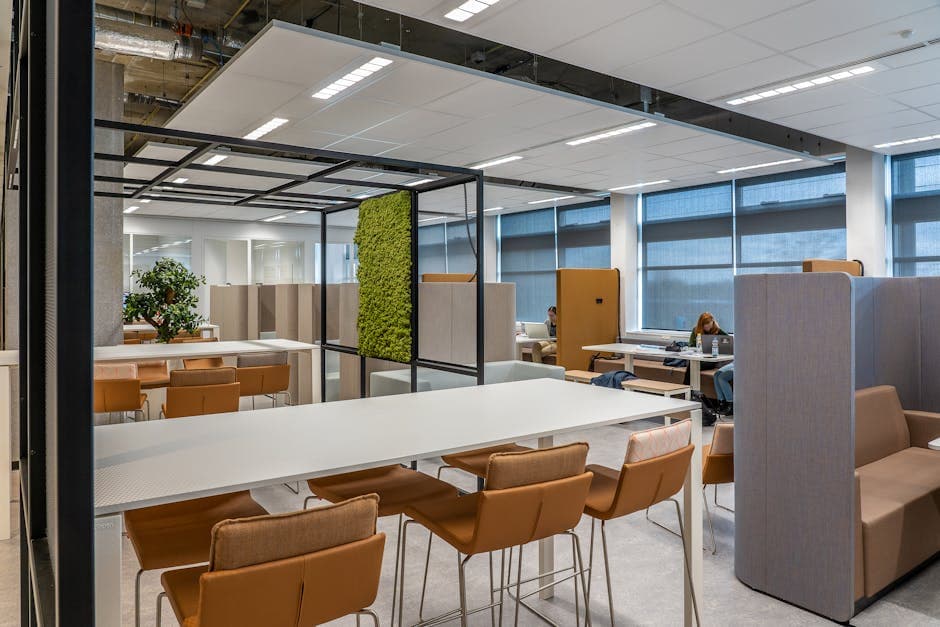
Benchmarking Your Office Space Utilization
This comprehensive guide explores the importance of benchmarking office space utilization and provides practical insights on key metrics, data analysis techniques, and best practices to optimize productivity and efficiency in the workplace.
By Sophia Marshall

Designing for Simplicity: A Look at Recent Quality
In this blog post, we take a deep dive into the recent quality improvements and design enhancements made to the Simplicity platform. Discover how these updates streamline workplace management processes and create a more intuitive user experience for HR managers, IT professionals, and facility managers.
By Charlotte Reed

Dibs for the Office: A New Way to Coordinate Flexible Space
In today's dynamic work environment, flexible space management is crucial for fostering collaboration and productivity. Discover how the concept of dibs can streamline your office's space coordination, eliminating the need for complex calendars and promoting a more efficient, collaborative workplace.