Articles on Workplace Management

Unleashing the Power of Smart Space Solutions
Smart space solutions are revolutionizing workplaces, empowering organizations to create intelligent and adaptive environments that enhance productivity, collaboration, and employee well-being. This blog delves into the transformative power of smart spaces, showcasing their benefits and exploring strategies for successful implementation.

By Ethan Montgomery
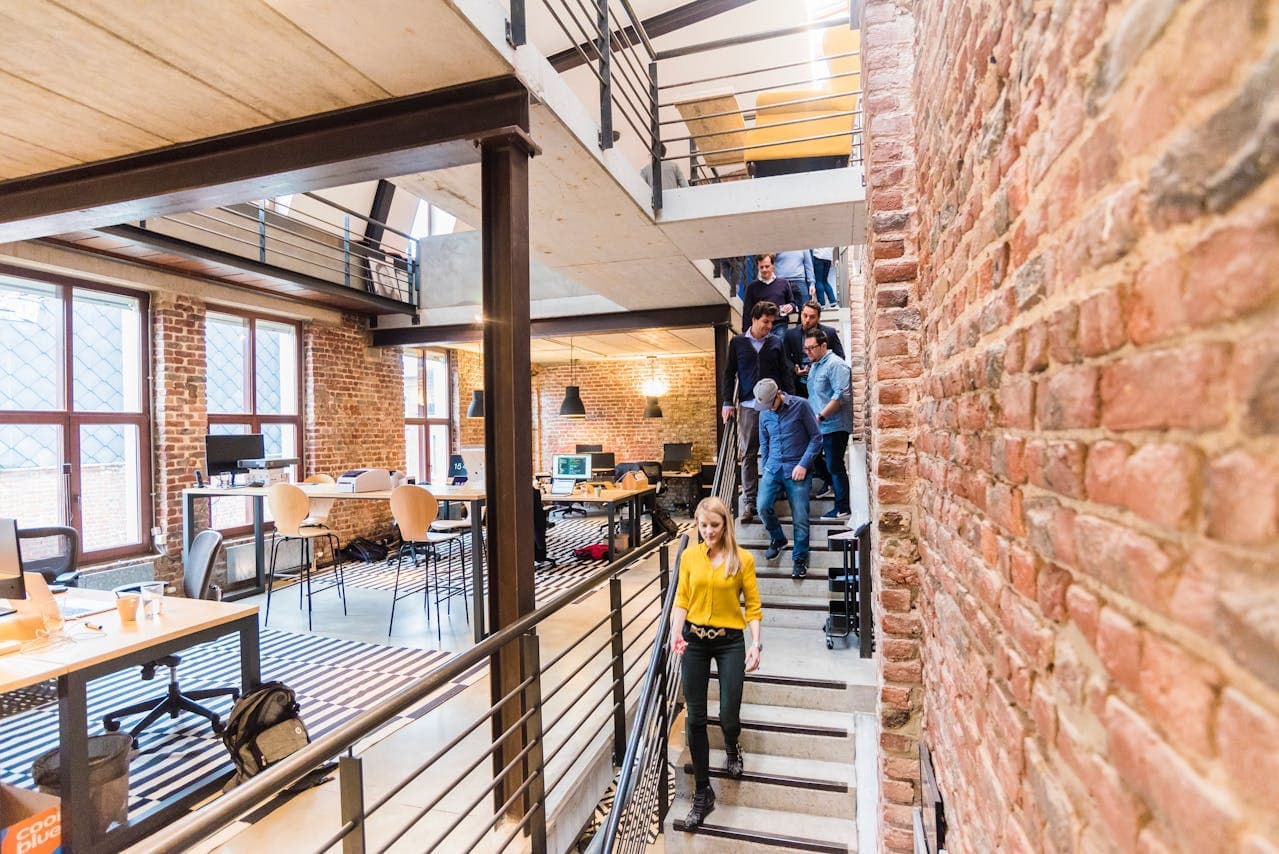
Nellie Hayat: A Workplace Leader in The Office and Beyond
Learn from workplace leader Nellie Bertram, the eccentric character from The Office, played by Catherine Tate, to develop effective leadership skills and strategies for HR managers, IT managers, Real Estate & Facility, School and College IT managers to cultivate a prosperous work environment.

By Evelyn Parker

Workplace Occupancy Metrics: Optimizing Space and Enhancing
Workplace occupancy metrics are crucial indicators that provide valuable insights into space utilization, employee behavior, and the overall efficiency of the workspace. By tracking and analyzing these metrics, organizations can optimize space allocation, improve resource planning, and create a more productive and engaging work environment.

By Oliver Wright

Using Employee Feedback to Improve Workplace Experience
Employee feedback is a valuable tool for improving the workplace experience. By collecting and using feedback effectively, organizations can create a more positive, productive, and engaging work environment for all.

By Julian Everett

The Value of Workplace Management Platforms over Point Solutions
Workplace Management platforms offer a comprehensive solution to managing your workplace, from space planning and utilization to employee experience and sustainability. They integrate various aspects of workplace management into a single system, providing a holistic view and enabling data-driven decision-making.

By Alexander Bennett

Best Practices for Effective In-Person and Remote Meetings
Meetings are a necessary part of work life, but they can often be inefficient and unproductive. By following some simple best practices, you can make your meetings more effective and enjoyable for everyone involved.

By Nora Bradford
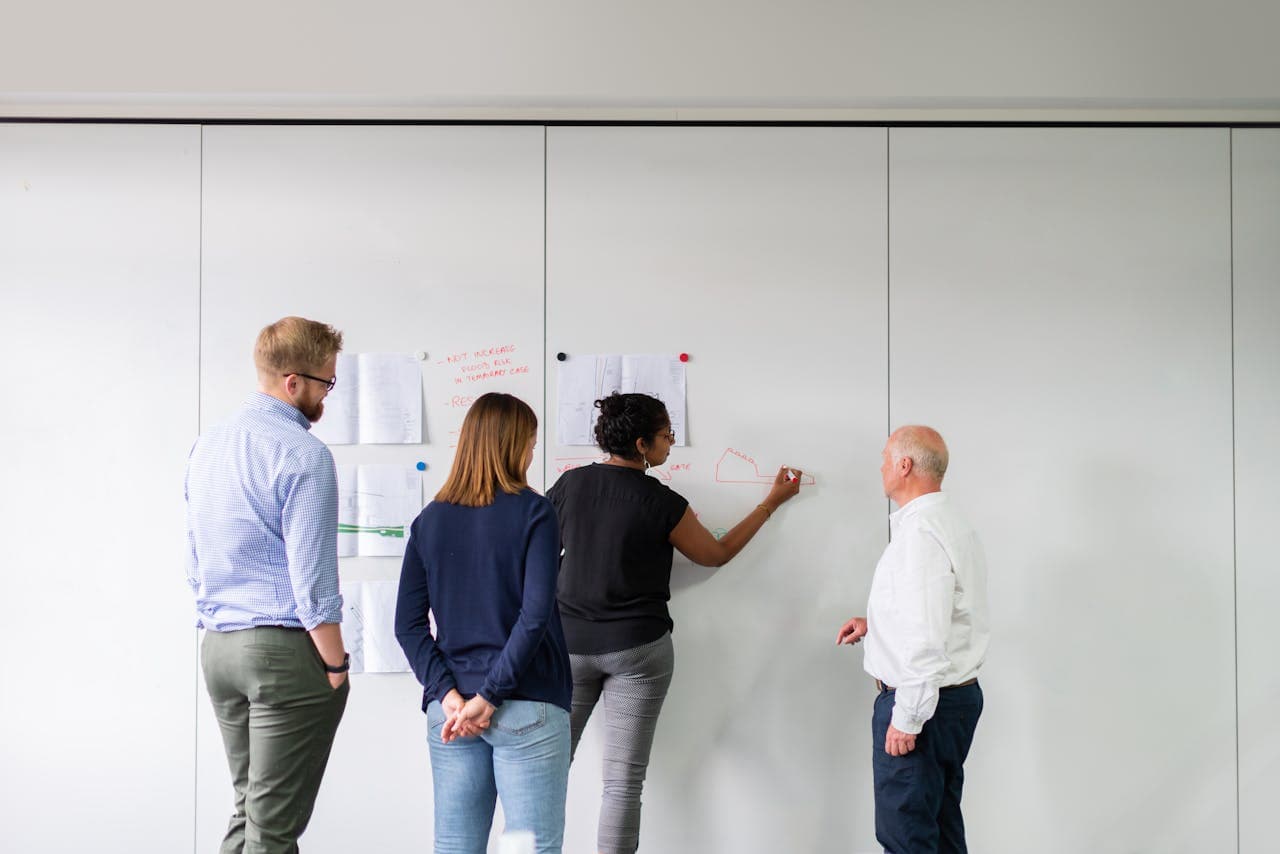
Hybrid Work: Challenges, Opportunities, and the Biggest Payoff
Hybrid work has become the new normal for many organizations. While it offers many benefits, it also presents significant challenges. In this blog post, we will explore both sides of the equation, with a particular focus on the most significant opportunity presented by hybrid work.

By Charlotte Reed

Meeting Management: Best Practices and Etiquette for a Productive Office
Meeting management is crucial for workplace productivity and collaboration. This blog explores best practices for effective meeting room booking, etiquette in meetings, and meeting management best practices, ensuring seamless and successful meetings.

By Lucas Hamilton

Transforming the Modern Workplace
From touchless sensor technology to integrated collaboration tools, smart space features are unlocking unprecedented possibilities for businesses to optimize their workspaces. Discover how smart meeting rooms empower teams to connect, collaborate, and contribute like never before.

By Sophia Marshall

Using Data to Enhance the Visitor Experience
Utilizing data empowers organizations to understand visitor preferences, enhance security, improve wayfinding, and elevate overall satisfaction. By implementing data-driven strategies, businesses can create a frictionless and memorable visitor experience that strengthens relationships and contributes to organizational success.
By Oliver Wright

Hot Desking vs. Hoteling: Which Workspace Model is Right
In this article, we will explore the pros and cons of hot desking and hoteling, as well as the situations where each model is most appropriate. We will also provide tips on how to implement a hot desking or hoteling program in your organization.
By Sophia Marshall

Workplace Real Estate Checklist: Finding the Right Location
This comprehensive checklist is designed to help organizations navigate the complexities of workplace real estate, ensuring they secure a location that meets their specific requirements, enhances employee productivity, and fosters a positive work environment.