Articles on Office Utilization
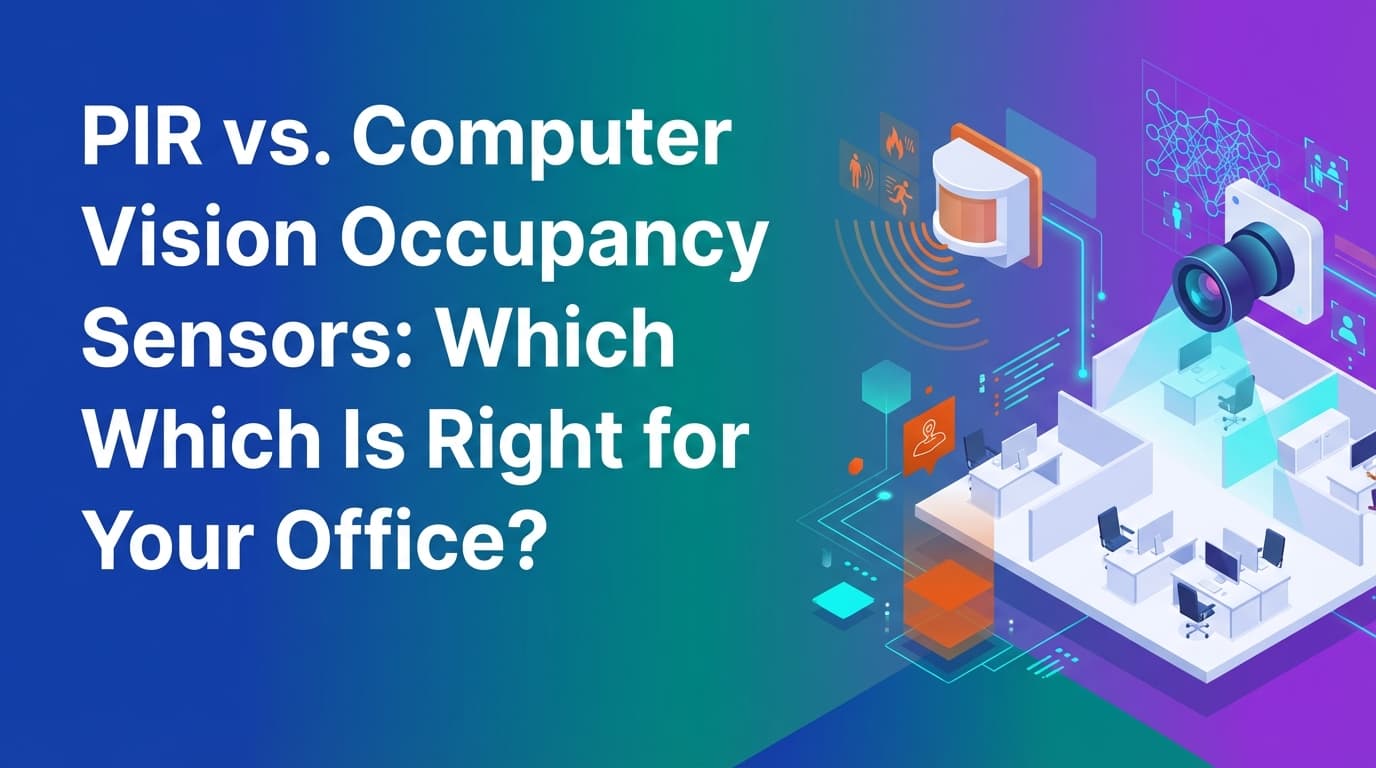
PIR vs. Computer Vision Occupancy Sensors: Which Is Right for Your Office?
PIR sensors provide binary occupancy data at a low cost, while computer vision sensors offer precise person-counting and density metrics. Choosing between them depends on whether you need to manage individual desk check-ins or understand total room utilization. This guide compares both technologies to help workplace teams build a reliable system for tracking actual office usage.

By Isabella Hunter
How to Implement a Hybrid Work Schedule That Actually Works
Effective hybrid work schedules in 2025 require more than calendar invites; they need operational enforcement and real usage data. This guide explains how to move from suggested schedules to a system of truth using check-ins, automated policy rules, and resource-agnostic booking.

By Nathanial Sterling
How to Balance Employee Flexibility with Team Collaboration
Balancing flexibility and collaboration requires moving beyond calendar-based scheduling. Real-time occupancy data and enforceable policies ensure teams have space to work together without sacrificing individual autonomy. This guide covers how to implement hybrid work rules that coordinate teams while tracking actual office utilization.

By Nathanial Sterling
Desk Booking Software Comparison
Desk booking software helps manage hybrid office space, but many tools rely on calendar assumptions rather than real usage. This comparison identifies features that actually matter for workplace operations, such as check-in enforcement, policy-based booking, and unified resource management.

By Lucas Hamilton
Office Space Utilization: How to Measure What's Actually Being Used
Office space utilization measures how employees actually use the workplace rather than just what they book on a calendar. This guide explains how to track real occupancy using check-in enforcement, sensor integration, and unified data models to make informed real estate decisions.

By Charlotte Reed
How to Create a Seamless Day-of-Work Experience for Employees
A reliable day-of-work experience requires moving beyond simple desk booking to enforce workplace policies and track actual usage. This guide explains how to use check-in enforcement, automated resource release, and unified data models to ensure the office functions predictably for employees while providing facilities teams with audit-grade utilization data.

By Nathanial Sterling
How to Set Up Meeting Room Booking Policies That Enforce
Meeting room booking policies fail when they rely on employee memory. To stop ghost meetings, organizations must implement automated check-ins and auto-release rules that return unused space to the pool. This guide explains how to use executable policies to ensure your office space is actually utilized based on real-time data.
By Julian Everett
The ROI of Workplace Analytics
Calculating the ROI of workplace analytics requires moving beyond simple attendance tracking to audit-grade utilization data. By implementing check-in enforcement and unified operational policies, organizations can reduce real estate footprints by 20-40% through precise right-sizing. This guide provides the framework for measuring actual office usage to drive significant cost savings.

By Amelia Clarkson

The Hidden Costs of Poorly Implemented Hybrid Work Policies
Poorly implemented hybrid work policies create hidden financial leaks, from underutilized real estate to employee productivity loss. This guide explores how to move beyond calendar-based assumptions toward executable policies and audit-grade utilization data. Learn how enforcing operational truth reduces workplace overhead and ensures your office footprint matches actual employee behavior.