Articles on Workplace Operations
How to Manage Booking Policies Across Multiple Locations
Managing office space across different regions requires a unified policy engine that handles local nuances without sacrificing global governance. This guide explains how to implement location-specific booking rules, enforce check-ins, and generate audit-grade utilization data across a global real estate portfolio.

By Charlotte Reed
How to Track Actual Desk Utilization vs. Calendar Bookings
Tracking actual desk utilization requires moving beyond calendar bookings to check-in enforcement. This guide explains how to use operational data to identify ghost bookings, measure real office occupancy, and make informed real estate decisions based on verified usage rather than assumptions.

By Isabella Hunter
How to Improve Employee Experience in a Hybrid Workplace
Employee experience in a hybrid workplace improves when office attendance is predictable and resources are guaranteed. This guide explains how to eliminate the 'commute of regret' by using check-in enforcement, unified policy engines, and resource-agnostic booking to create a reliable office environment.

By Ethan Montgomery
Compliance and Audit Trails in Workplace Management Systems
Workplace management systems require audit trails to prove office occupancy for safety and tax compliance. This guide explains how to move from calendar-based assumptions to audit-grade utilization data using enforced check-ins and unified policy engines. Learn how to generate reliable data for enterprise governance and regulatory reporting.
By Julian Everett
How to Gather and Act on Employee Workplace Feedback
Workplace feedback is only useful when compared against actual usage data. To improve office operations, you must gather qualitative sentiment through surveys and verify it against quantitative check-in records. This guide explains how to collect feedback, identify gaps between intent and behavior, and implement policy changes using a unified operational system.
By Amelia Clarkson
Emergency Evacuation: How Visitor Management Supports
Digital visitor management ensures safety compliance by providing real-time, accurate headcounts during emergencies. This guide explains how to move from paper logs to a unified operational system that tracks everyone on-site, automates roll calls, and provides audit-grade data for safety inspections.

By Charlotte Reed
How to Implement a Hybrid Work Schedule That Actually Works
Effective hybrid work schedules in 2025 require more than calendar invites; they need operational enforcement and real usage data. This guide explains how to move from suggested schedules to a system of truth using check-ins, automated policy rules, and resource-agnostic booking.

By Nathanial Sterling
How to Balance Employee Flexibility with Team Collaboration
Balancing flexibility and collaboration requires moving beyond calendar-based scheduling. Real-time occupancy data and enforceable policies ensure teams have space to work together without sacrificing individual autonomy. This guide covers how to implement hybrid work rules that coordinate teams while tracking actual office utilization.
By Nathanial Sterling
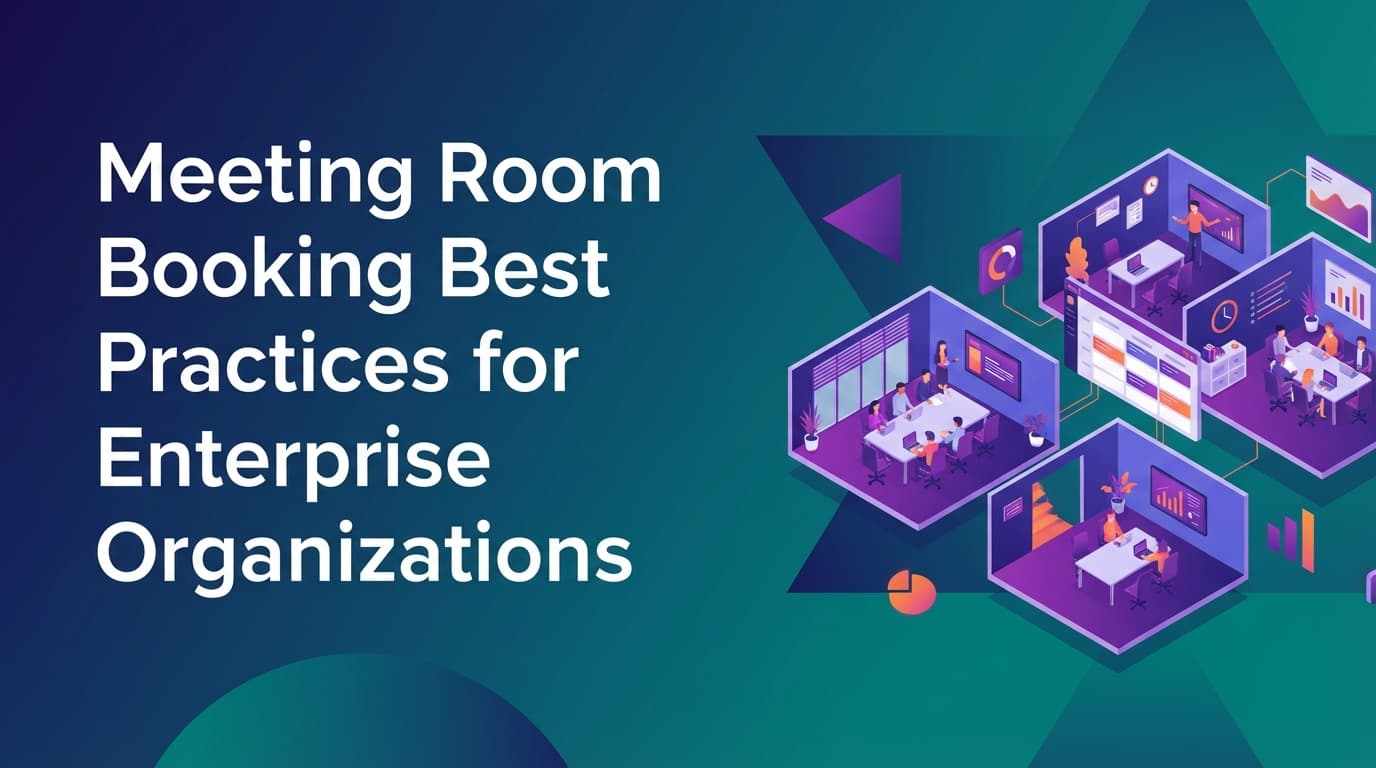
Meeting Room Booking Best Practices for Enterprise Organizations
Enterprise meeting room management fails when it relies on calendar assumptions rather than operational reality. This guide covers best practices for reducing no-shows through check-in enforcement, managing recurring meeting bloat, and using unified data models to track actual utilization instead of just intent.

By Lucas Hamilton
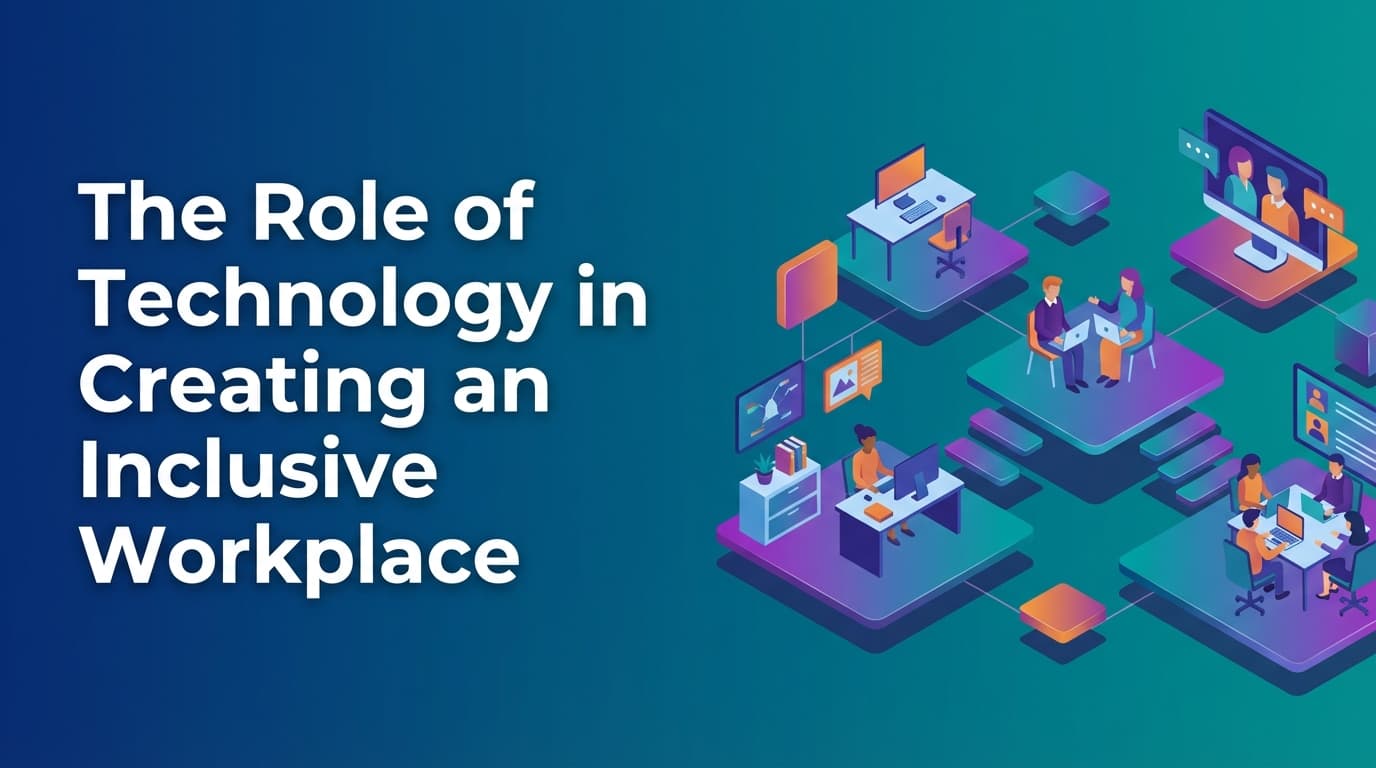
The Role of Technology in Creating an Inclusive Workplace
Inclusive workplaces require more than just a welcoming culture; they need operational systems that guarantee equitable access to resources. This guide explains how to use workplace technology like check-in enforcement, spatial modeling, and automated policy engines to remove barriers for neurodivergent, disabled, and hybrid employees.
By Evelyn Parker
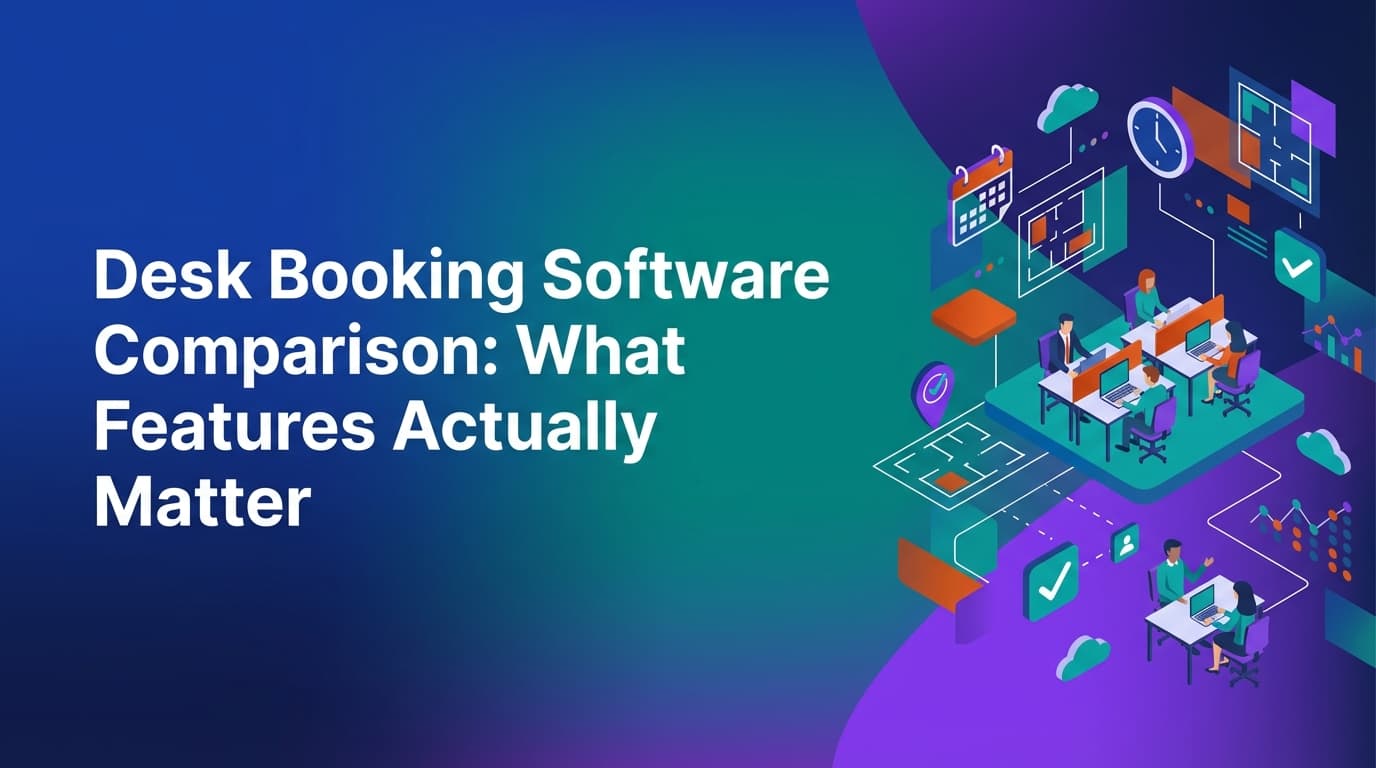
Desk Booking Software Comparison
Desk booking software helps manage hybrid office space, but many tools rely on calendar assumptions rather than real usage. This comparison identifies features that actually matter for workplace operations, such as check-in enforcement, policy-based booking, and unified resource management.

By Lucas Hamilton
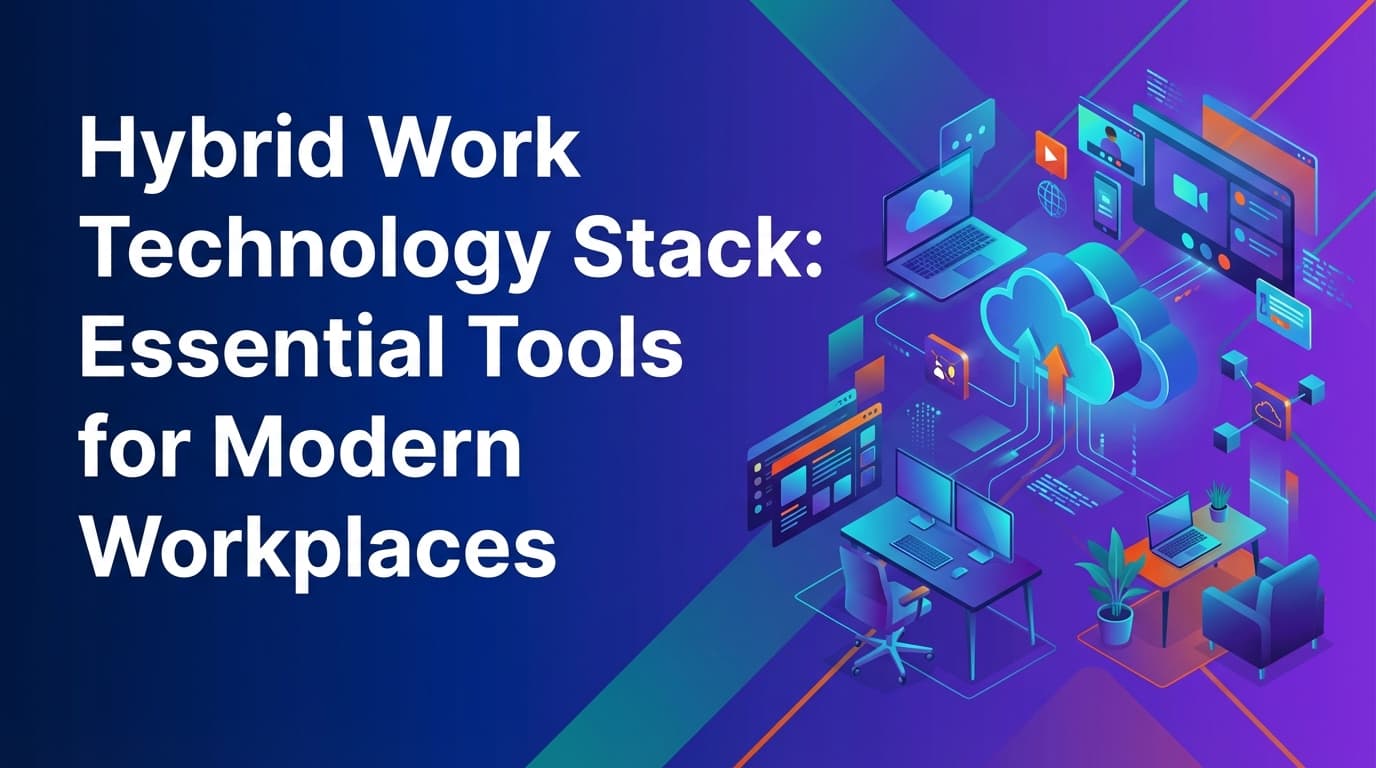
Hybrid Work Technology Stack: Essential Tools for Modern
A hybrid work technology stack requires more than just a calendar. To manage a modern office effectively, teams need tools that enforce check-ins, track real utilization, and automate policy. This guide covers the essential infrastructure for workplace operations leaders who need audit-grade data to manage real estate costs.
