Articles on hybrid-work

How to Right-Size Your Office Based on Actual Utilization Data
Right-sizing an office requires data on actual attendance rather than calendar bookings. This guide explains how to use check-in enforcement and resource-agnostic tracking to determine your true real estate needs and reduce lease costs.

By Sophia Marshall
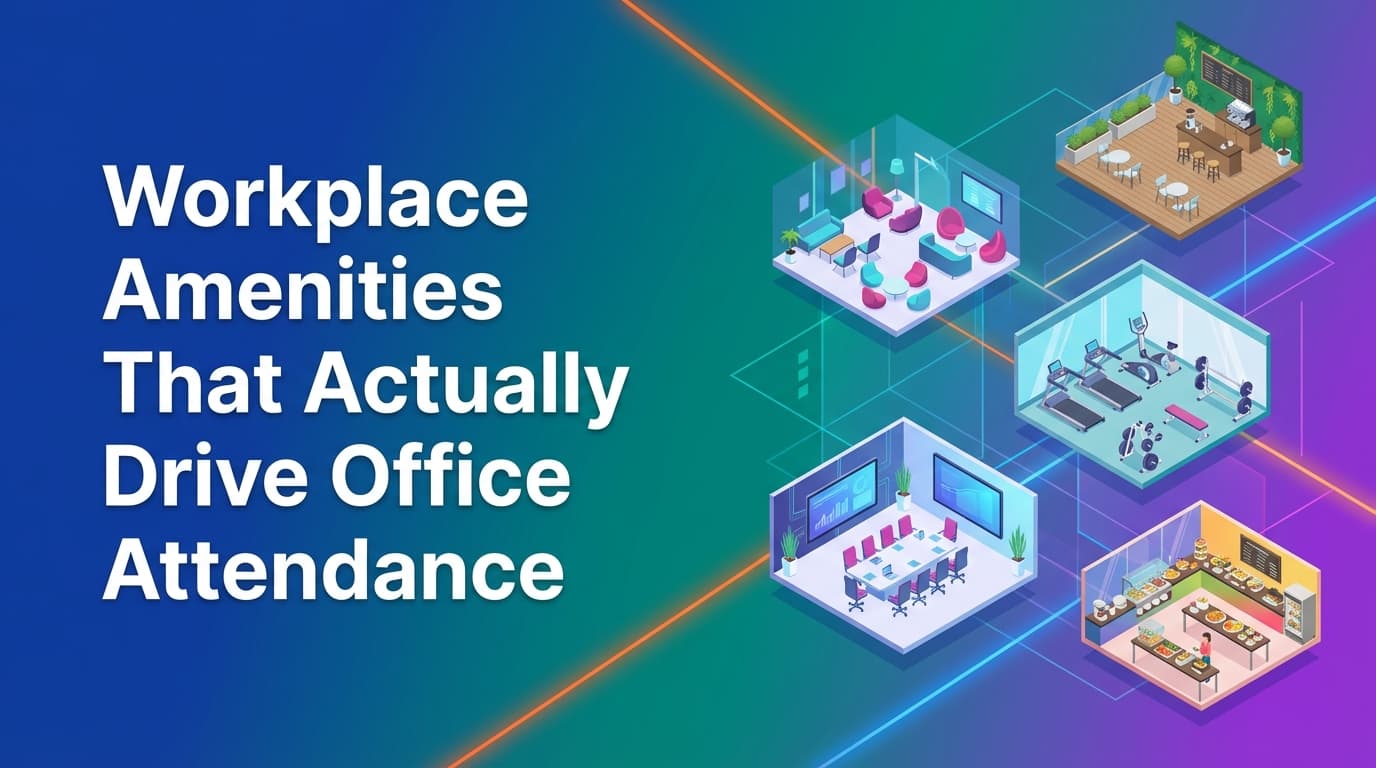
Workplace Amenities That Actually Drive Office Attendance
Workplace amenities drive office attendance when they solve specific friction points like desk availability, quiet zones, and team coordination. This guide identifies which investments yield actual utilization data and how to manage them using operational rules rather than assumptions.

By Oliver Wright
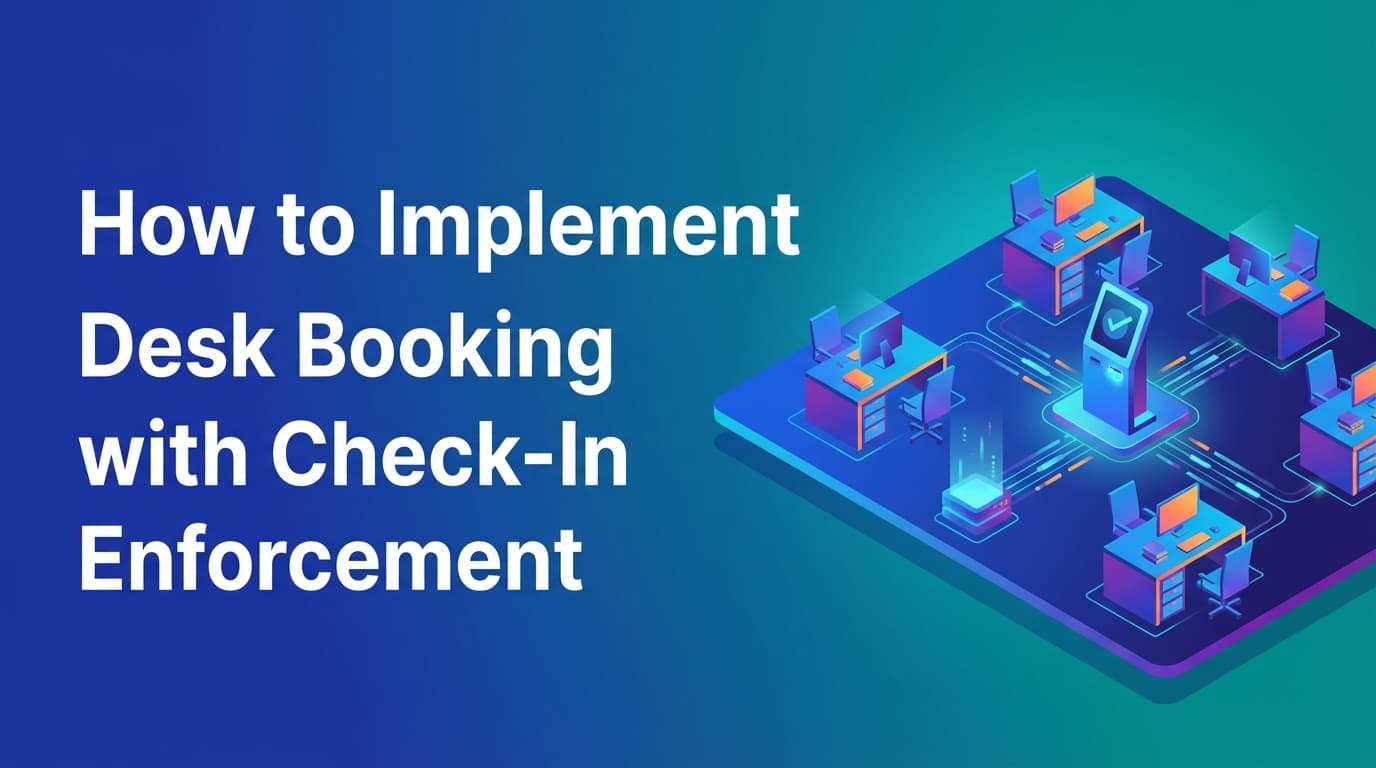
How to Implement Desk Booking with Check-In Enforcement
Desk booking with check-in enforcement ensures that reserved desks are actually used. This guide explains how to set up auto-release policies, integrate check-in methods, and use verified occupancy data to make informed office real estate decisions.

By Isabella Hunter

Video Conferencing Room Setup: Best Practices for Hybrid Meetings
A successful video conferencing room setup requires a combination of high-fidelity hardware and operational enforcement. This guide covers how to choose cameras, audio, and lighting for different room types while using check-in data to ensure spaces are actually utilized. Learn how to move beyond simple calendar bookings to an operational system that tracks real usage and enforces meeting room policies.

By Lucas Hamilton
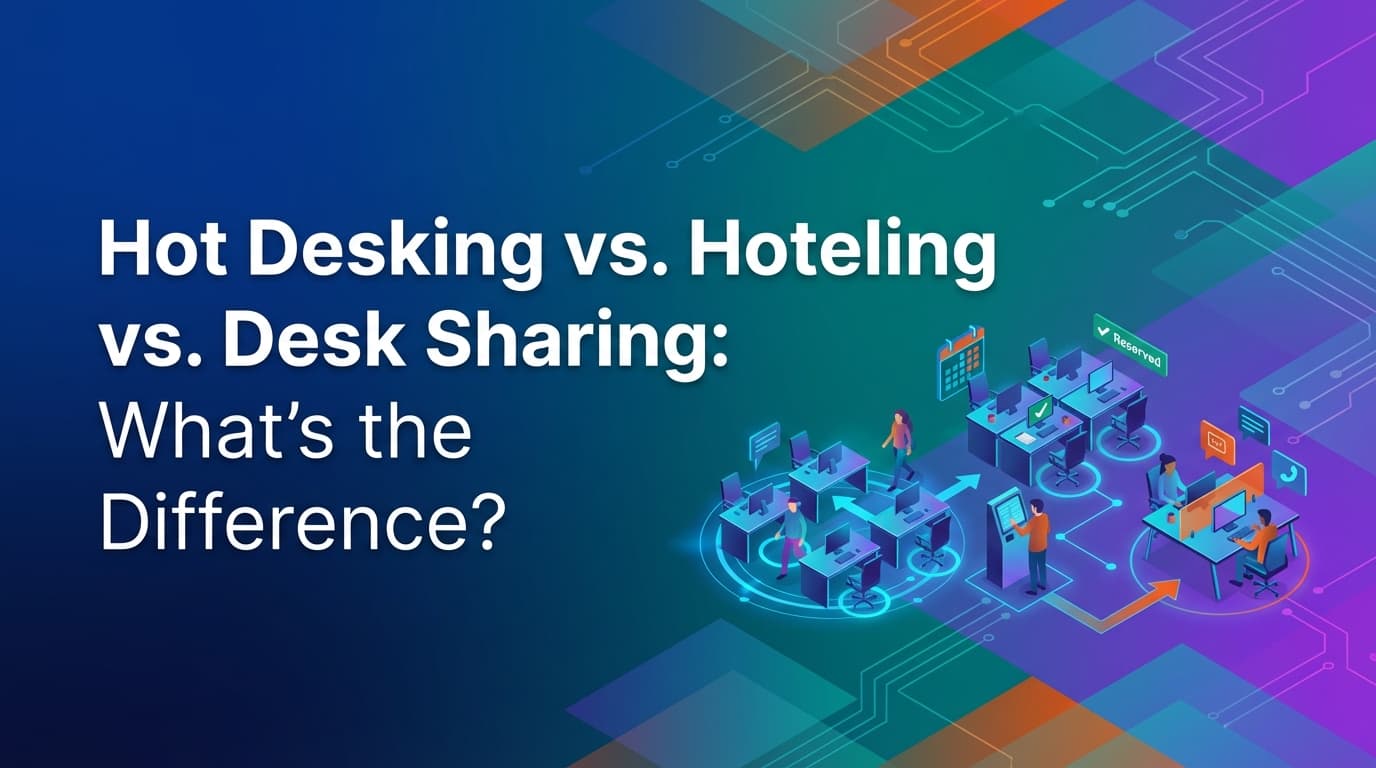
Hot Desking vs. Hoteling vs. Desk Sharing: What's the Difference?
Hot desking, hoteling, and desk sharing are distinct seating strategies. Hot desking is for immediate use, hoteling allows for advance reservations, and desk sharing is the overarching category. This guide explains how to manage these models using check-in enforcement and real utilization data to optimize workplace operations.

By Amelia Clarkson
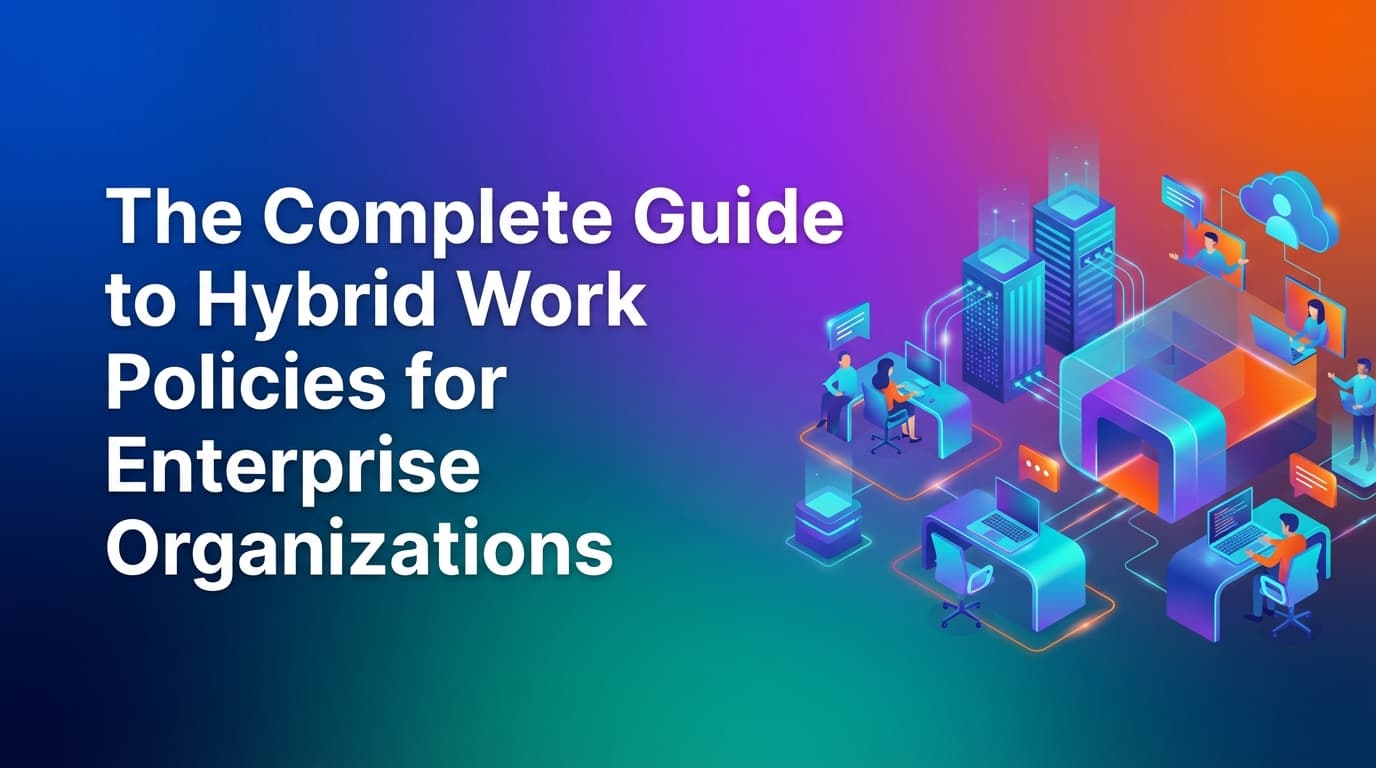
The Complete Guide to Hybrid Work Policies for Enterprise Organizations
Effective hybrid work policies require more than just a document; they need automated enforcement and reliable data. This guide explains how to build a policy that balances employee flexibility with operational requirements using check-in enforcement, resource-agnostic booking, and real-time utilization tracking.
By Nora Bradford
Interactive Office Maps: Why They Increase Desk Booking Adoption
Interactive office maps increase desk booking adoption by providing spatial context that list-based systems lack. When employees can see where teammates sit or find desks near specific amenities, they are more likely to use the booking system. This guide explains how to implement maps that sync with real-time occupancy data and policy enforcement rules.