Blogs
Our reflections on effective Hybrid Working, from WOX and friends

Looking for in-depth guides?
Explore our comprehensive guides on desk booking, room scheduling, hybrid work, and more.
Latest articles

How to Create SOPs That People Actually Follow
Most SOPs collect dust because they take too long to create and go stale fast. Learn how to build standard operating procedures that stay current using screen recording tools like Glyde that turn real workflows into polished documentation automatically.

By Sophia Marshall
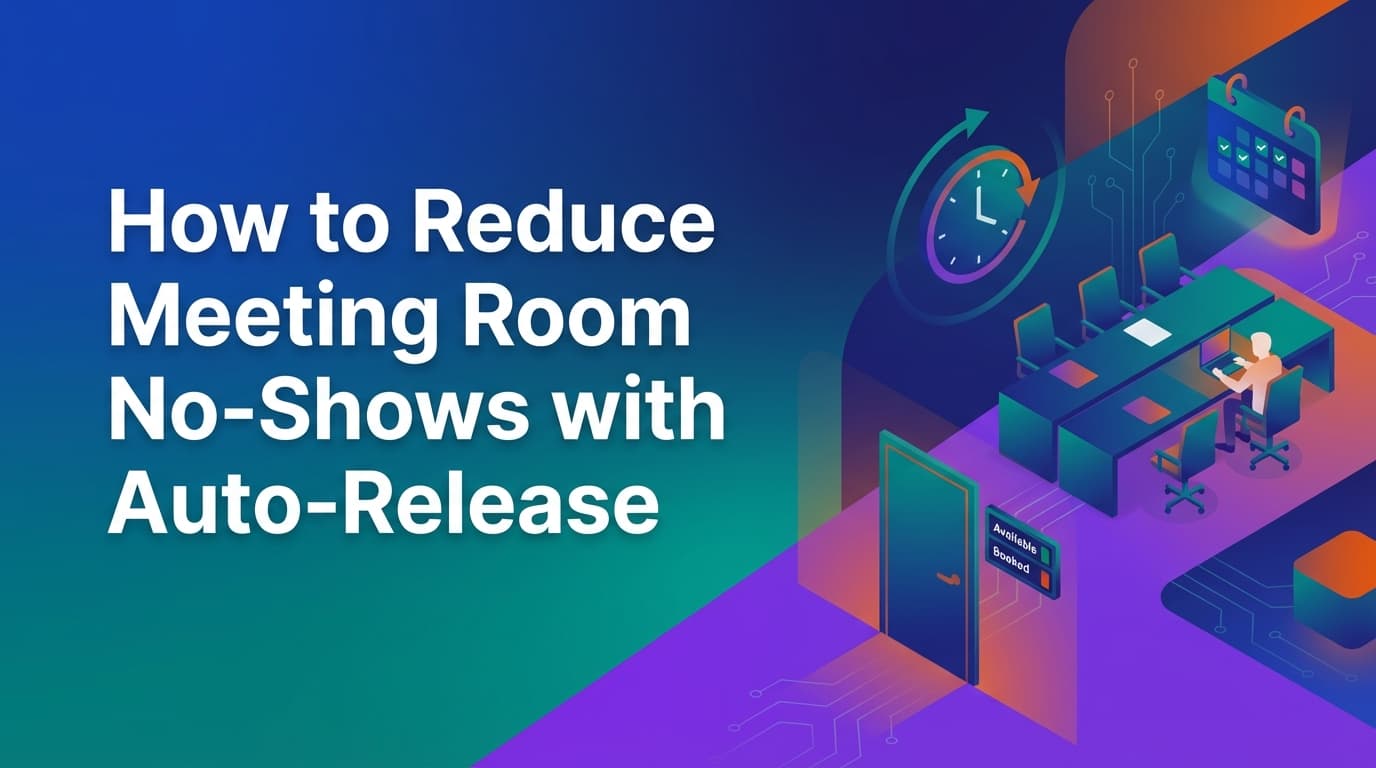
How to Reduce Meeting Room No-Shows with Auto-Release
Meeting room no-shows waste up to 30% of office capacity. This guide explains how to implement auto-release policies that cancel ghost bookings when users do not check in. Learn how to use operational data to enforce room usage and reclaim wasted space in your workplace.

By Charlotte Reed
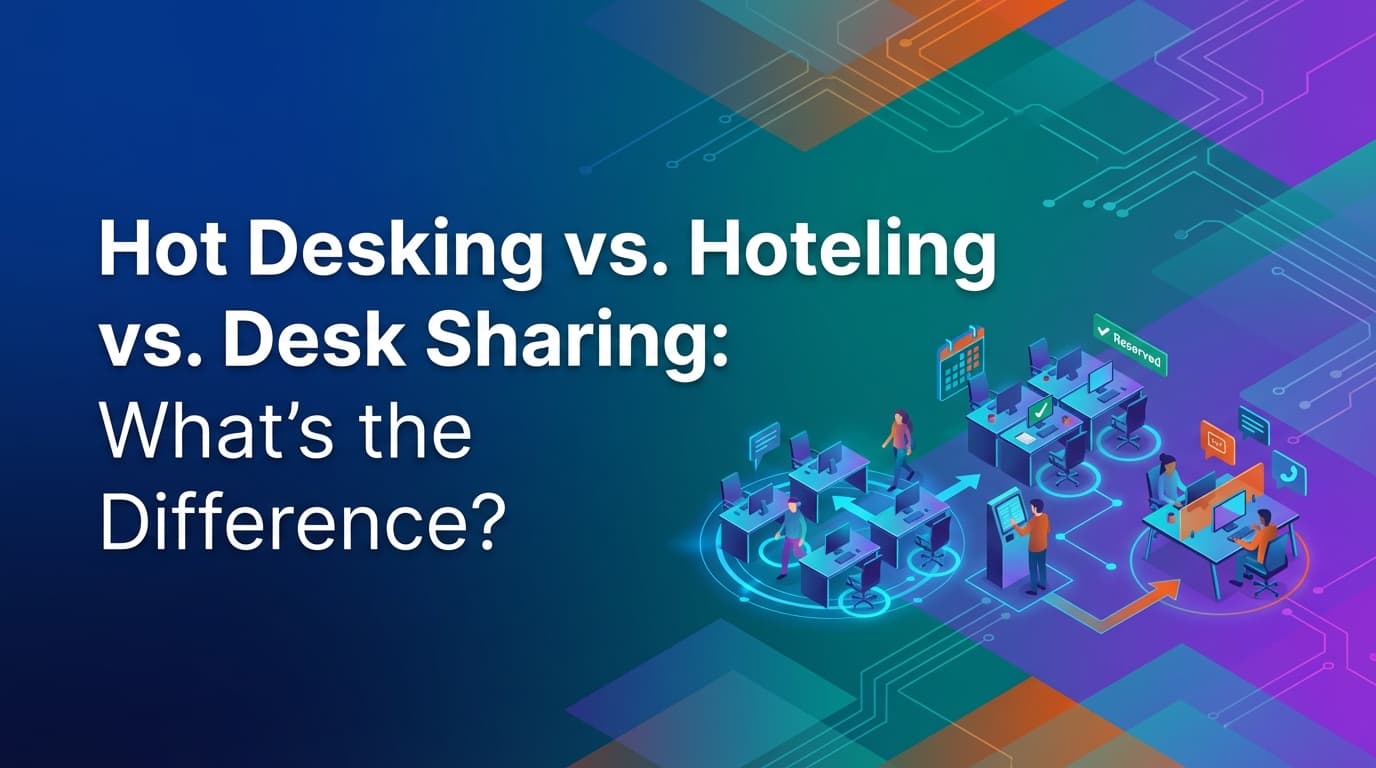
Hot Desking vs. Hoteling vs. Desk Sharing: What's the Difference?
Hot desking, hoteling, and desk sharing are distinct seating strategies. Hot desking is for immediate use, hoteling allows for advance reservations, and desk sharing is the overarching category. This guide explains how to manage these models using check-in enforcement and real utilization data to optimize workplace operations.

By Amelia Clarkson
How to Install Occupancy Sensors Without Disrupting Your Workplace
Workplace occupancy sensors provide real utilization data that calendar bookings often miss. Successful installation involves selecting non-intrusive hardware, planning deployment for low-traffic hours, and integrating sensors into a unified workplace operations system. This guide covers the technical and operational steps to deploy sensors while maintaining employee privacy and office productivity.

By Evelyn Parker
How to Track Actual Desk Utilization vs. Calendar Bookings
Tracking actual desk utilization requires moving beyond calendar bookings to check-in enforcement. This guide explains how to use operational data to identify ghost bookings, measure real office occupancy, and make informed real estate decisions based on verified usage rather than assumptions.

By Isabella Hunter
Meeting Room Analytics: What Data You Should Track and Why
Meeting room analytics provide the operational truth needed to manage office capacity. This guide covers the metrics that matter most, including actual utilization, ghosting rates, and resource-specific demand, while explaining why calendar-based data often leads to incorrect real estate decisions.

By Oliver Wright
Sensor Data vs. Booking Data: Why You Need Both for Accurate Utilization
Office utilization tracking often relies on incomplete information. Booking data shows what employees planned to do, while sensor data shows what actually happened. To get an accurate view of workplace operations, facilities teams need a unified system that reconciles these two data sources. This guide explains how to use both to eliminate ghost bookings and optimize real estate costs.
By Nora Bradford
How to Improve Employee Experience in a Hybrid Workplace
Employee experience in a hybrid workplace improves when office attendance is predictable and resources are guaranteed. This guide explains how to eliminate the 'commute of regret' by using check-in enforcement, unified policy engines, and resource-agnostic booking to create a reliable office environment.

By Ethan Montgomery
How to Measure Hybrid Work Success with Workplace Analytics
Measuring hybrid work success requires audit-grade data from check-ins and actual usage, not just calendar reservations. This guide explains how to use workplace analytics to track office utilization, enforce policies, and optimize real estate costs based on operational truth rather than assumptions.

By Nathanial Sterling
CFO-Ready Reports: How to Present Workplace Data to Leadership
CFO-ready workplace reports require audit-grade data that reflects actual office usage rather than calendar reservations. This guide explains how to present utilization metrics, cost-per-entry, and policy compliance to leadership. By moving from assumed data to enforced check-in data, workplace teams can justify real estate spend and optimize facility operations with confidence.

By Nora Bradford
Compliance and Audit Trails in Workplace Management Systems
Workplace management systems require audit trails to prove office occupancy for safety and tax compliance. This guide explains how to move from calendar-based assumptions to audit-grade utilization data using enforced check-ins and unified policy engines. Learn how to generate reliable data for enterprise governance and regulatory reporting.
By Julian Everett

How to Combine Sensor Data with Booking Data for Complete Utilization Insights
Combining sensor data with booking data reveals the gap between intent and reality in the office. This guide explains how to merge occupancy sensors with desk and room booking systems to track actual utilization, identify ghost bookings, and optimize real estate costs using audit-grade data.