Hybrid Work: Policy and Coordination Guide
74% of companies now use hybrid work models. Learn the policy frameworks, scheduling strategies, and coordination tools that make them work.
Featured Articles
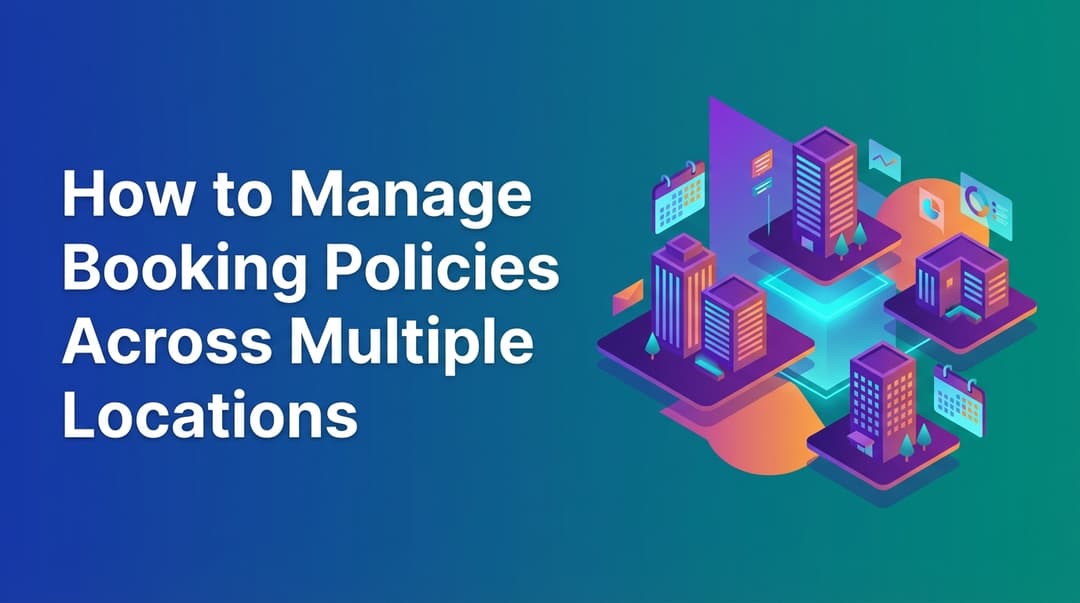
How to Manage Booking Policies Across Multiple Locations
Managing office space across different regions requires a unified policy engine that handles local nuances without sacrificing global governance. This guide explains how to implement location-specific booking rules, enforce check-ins, and generate audit-grade utilization data across a global real estate portfolio.
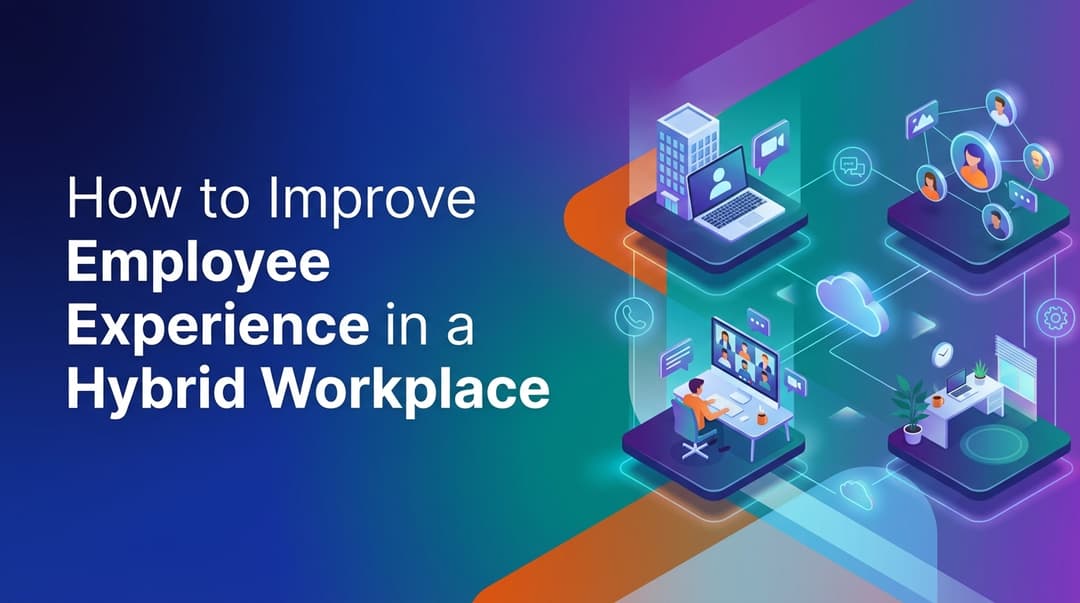
How to Improve Employee Experience in a Hybrid Workplace
Employee experience in a hybrid workplace improves when office attendance is predictable and resources are guaranteed. This guide explains how to eliminate the 'commute of regret' by using check-in enforcement, unified policy engines, and resource-agnostic booking to create a reliable office environment.
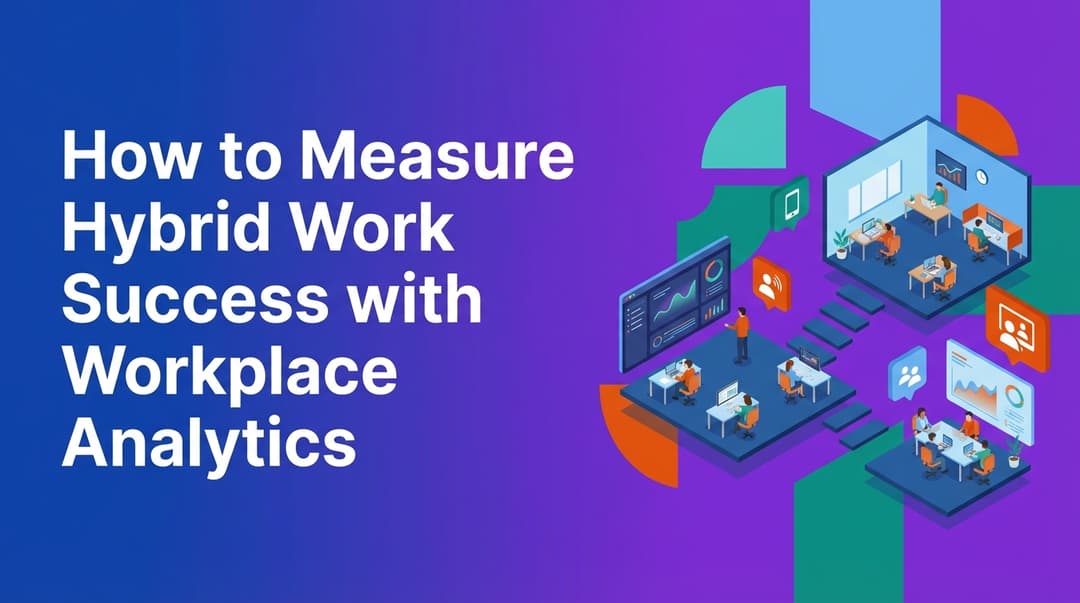
How to Measure Hybrid Work Success with Workplace Analytics
Measuring hybrid work success requires audit-grade data from check-ins and actual usage, not just calendar reservations. This guide explains how to use workplace analytics to track office utilization, enforce policies, and optimize real estate costs based on operational truth rather than assumptions.
More Articles
How to Handle Desk Booking for Different Work Styles (Focus, Collab, Quiet)
How to Gather and Act on Employee Workplace Feedback
How to Increase Voluntary Office Attendance Without Mandates
The Complete Guide to Hybrid Work Policies for Enterprise Organizations
How to Implement a Hybrid Work Schedule That Actually Works

How to Identify Underutilized Spaces and Repurpose Them Effectively
How to Balance Employee Flexibility with Team Collaboration
Desk Booking Policies That Reduce No-Shows by 60%
The Role of Technology in Creating an Inclusive Workplace
SCIM Integration for Workplace Management: Why It Matters
Mobile Apps for Workplace Management
How to Right-Size Your Office for Hybrid Work Without
Going Hybrid Work with WOX
Everything essential for a seamless and efficient shift to the Future of Work.